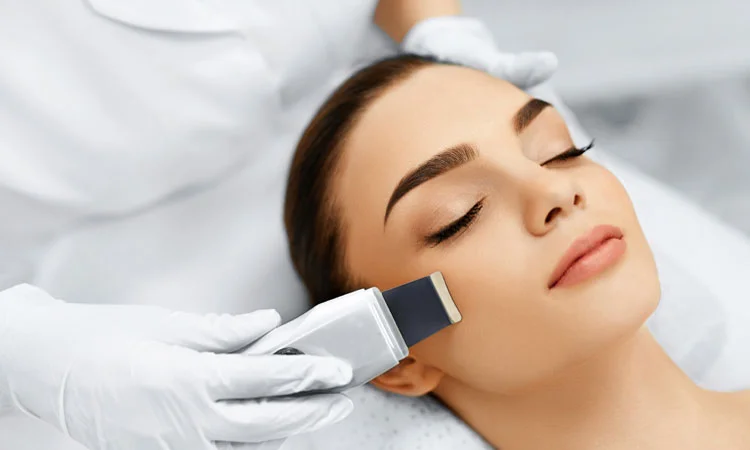
Dermabrasion is an exfoliating technique that uses a rotating instrument to remove the outer layers of skin, usually on the face. This treatment is popular with people who wish to improve the appearance of their skin. Some of the conditions it can treat include fine lines, sun damage, acne scars, and uneven texture.
Dermabrasion occurs in a dermatologist’s office. During the procedure, a professional will numb your skin with anesthesia before removing the outermost layers of your skin. This is an outpatient procedure, meaning that you can go home to recover following the treatment.
Before your treatment, your doctor will give you a physical examination, review your medical history, and discuss your risks and expectations. Tell your doctor about any medications you’re taking, including over-the-counter medicine and nutritional supplements.
You may need to stop taking them because they could increase your bleeding risk or adversely darken your skin. Tell your doctor if you have taken isotretinoin (Accutane) in the past year.
The type of anesthesia you have during dermabrasion depends on the extent of your treatment. Your doctor will typically give you local anesthesia. However, certain cases may require sedation to help you relax or feel drowsy. Sometimes general anesthesia may be given during the procedure.
During the treatment, an assistant will hold your skin taut. Your doctor will move a device called a dermabrader across your skin. The dermabrader is a small, motorized device with a rough surface.
Take the first step toward restoring your confidence with expert hair transplant and advanced aesthetic treatments at Laser World Aesthetics. Our clinic offers personalized consultations to evaluate your hair loss pattern and recommend the most effective solution tailored to you.