Electrocautery

Electrocautery

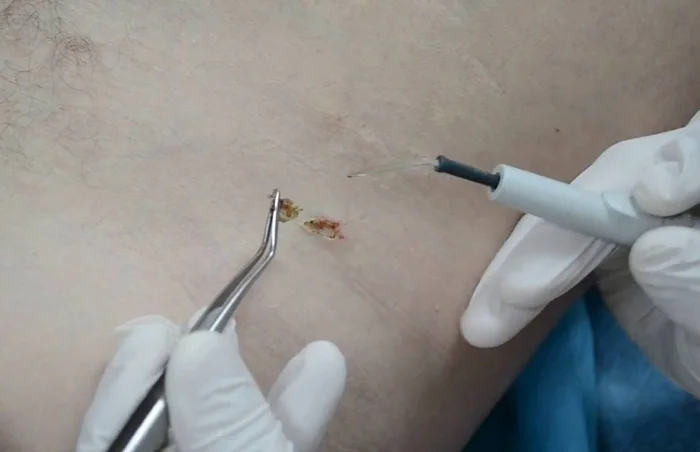
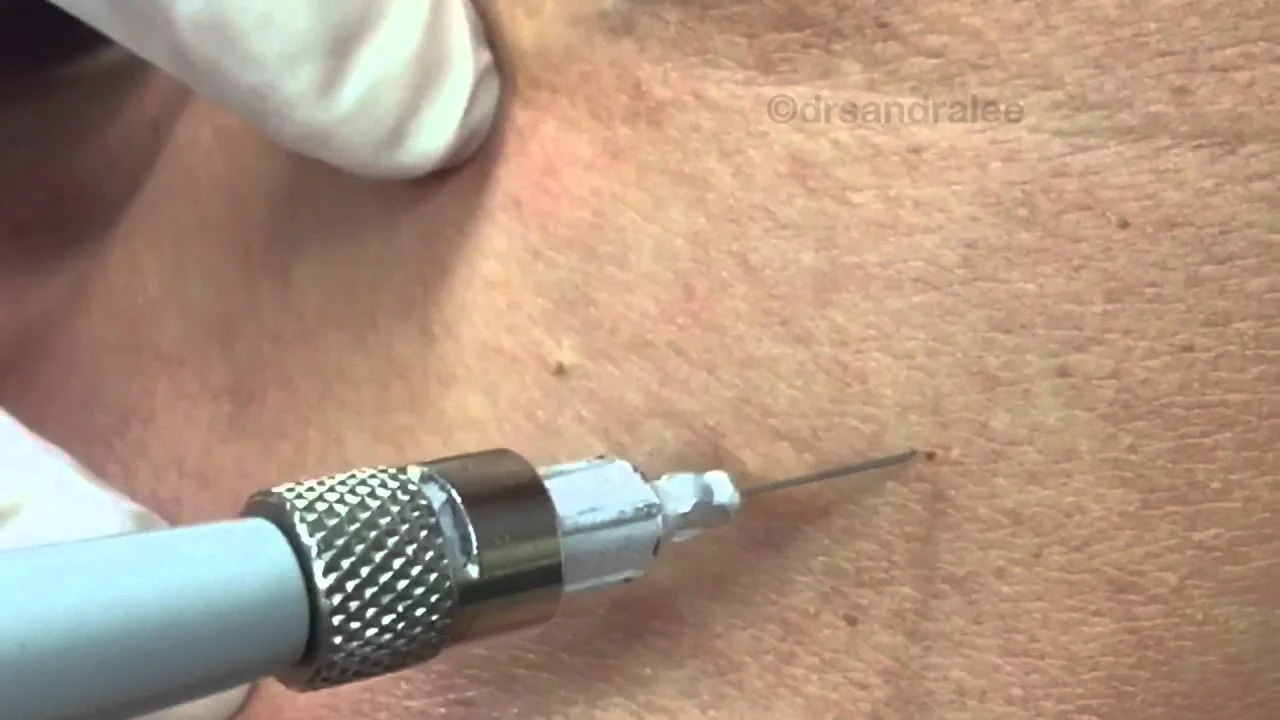
Electrocautery, also known as thermal cautery, refers to a process in which a direct or alternating current is passed through a resistant metal wire electrode, generating heat. The heated electrode is then applied to living tissue to achieve hemostasis or varying degrees of tissue destruction. [1] Electrocautery can be used in various minor surgical procedures in dermatology, ophthalmology, otolaryngology, plastic surgery, and urology.

In electrocautery, the current does not pass through the patient; thus, the procedure can be safely used in patients with implanted electrical devices such as cardiac pacemakers, implantable cardioverter-defibrillators, and deep-brain stimulators.


Basic Physics Terminology

  • Voltage (volts): force that pushes the current (“Potential Energy”).
    • – More force = more destruction
  • Resistance (ohm): quality of tissue that impedes flow of current.
    • More resistance = less current flow.
    • Resistance of skin > bone > fat > muscle > bowel wall (326 ohms) > blood.
  • Intensity (amps): amount of electricity crossing an area (wire), per second.
  • Current Density (amp/cm 2): amount of current flowing through a cross sectional area = Current Intensity(amps)/area(cm2)

risks of electrocauterization

The treatment itself has minimal risks. Risks of electrocauterization may include:

  • slight bleeding
  • infection; your doctor may give you antibiotics to reduce this risk
  • pain or mild discomfort; your doctor may prescribe you pain medication for after the procedure

Tell your doctor if you have a pacemaker or prosthetic joint before undergoing this treatment.

Fill Out The Form

Book Your Consultation Today

Take the first step toward restoring your confidence with expert hair transplant and advanced aesthetic treatments at Laser World Aesthetics. Our clinic offers personalized consultations to evaluate your hair loss pattern and recommend the most effective solution tailored to you.